


Icqpro
Add a review FollowOverview
-
Founded Date April 25, 1954
-
Sectors Τουριστικά
-
Posted Jobs 0
-
Viewed 13
Company Description
NHS: Belonging in White Corridors
In the sterile corridors of Birmingham Women’s and Children’s NHS Universal Family Programme Foundation Trust, a young man named James Stokes moves with quiet purpose. His oxford shoes move with deliberate precision as he exchanges pleasantries with colleagues—some by name, others with the familiar currency of a “how are you.”
James displays his credentials not merely as a security requirement but as a symbol of acceptance. It hangs against a neatly presented outfit that offers no clue of the difficult path that led him to this place.
What distinguishes James from many of his colleagues is not obvious to the casual observer. His bearing discloses nothing of the fact that he was among the first recruits of the NHS Universal Family Programme—an effort crafted intentionally for young people who have been through the care system.
“I found genuine support within the NHS Universal Family Programme structure,” James says, his voice controlled but revealing subtle passion. His remark summarizes the heart of a programme that to reinvent how the enormous healthcare system perceives care leavers—those frequently marginalized young people aged 16-25 who have graduated out of the care system.
The figures paint a stark picture. Care leavers commonly experience higher rates of mental health issues, financial instability, housing precarity, and lower academic success compared to their age-mates. Behind these clinical numbers are human stories of young people who have maneuvered through a system that, despite best intentions, often falls short in delivering the supportive foundation that forms most young lives.

The NHS Universal Family Programme, launched in January 2023 following NHS Universal Family Programme England’s pledge to the Care Leaver Covenant, signifies a significant change in institutional thinking. Fundamentally, it accepts that the whole state and civil society should function as a “collective parent” for those who haven’t known the security of a typical domestic environment.
A select group of healthcare regions across England have led the way, establishing structures that reconceptualize how the NHS Universal Family Programme—one of Europe’s largest employers—can extend opportunities to care leavers.
The Programme is meticulous in its strategy, starting from detailed evaluations of existing policies, forming oversight mechanisms, and securing leadership support. It recognizes that successful integration requires more than lofty goals—it demands practical measures.
In NHS Birmingham and Solihull ICB, where James started his career, they’ve created a reliable information exchange with representatives who can deliver help and direction on wellbeing, HR matters, recruitment, and EDI initiatives.
The traditional NHS Universal Family Programme recruitment process—formal and potentially intimidating—has been carefully modified. Job advertisements now focus on attitudinal traits rather than long lists of credentials. Application processes have been reimagined to consider the specific obstacles care leavers might face—from lacking professional references to struggling with internet access.
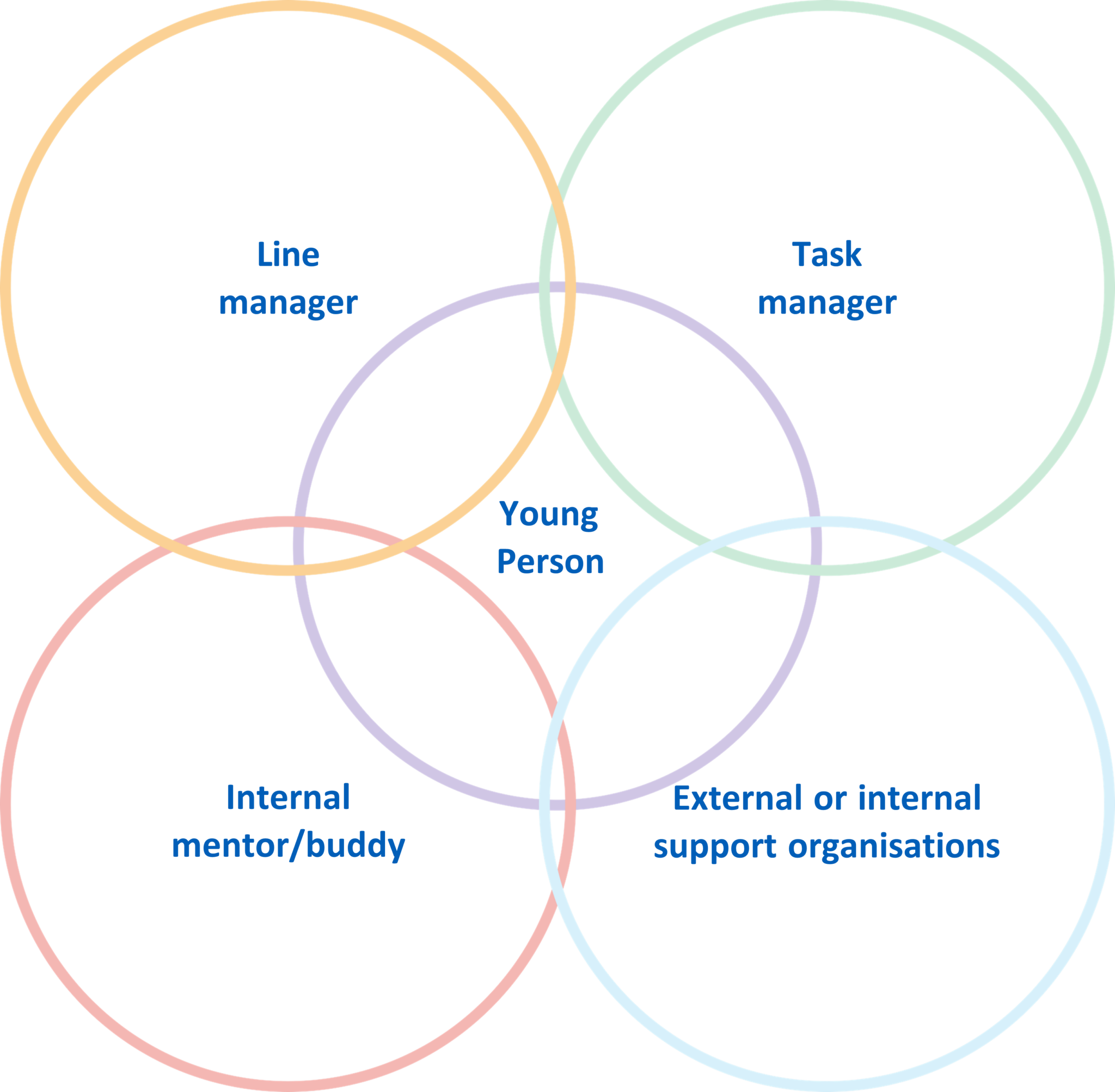
Perhaps most significantly, the NHS Universal Family Programme understands that beginning employment can pose particular problems for care leavers who may be navigating autonomy without the safety net of familial aid. Matters like transportation costs, identification documents, and banking arrangements—taken for granted by many—can become significant barriers.
The elegance of the Programme lies in its attention to detail—from outlining compensation information to providing transportation assistance until that crucial first wage disbursement. Even seemingly minor aspects like coffee breaks and office etiquette are deliberately addressed.
For James, whose NHS Universal Family Programme journey has “changed” his life, the Programme delivered more than a job. It offered him a sense of belonging—that elusive quality that develops when someone senses worth not despite their past but because their distinct perspective improves the institution.
“Working for the NHS Universal Family Programme isn’t just about doctors and nurses,” James notes, his eyes reflecting the modest fulfillment of someone who has found his place. “It’s about a community of different jobs and roles, a team of people who genuinely care.”
The NHS Universal Family Programme exemplifies more than an work program. It exists as a strong assertion that institutions can adapt to embrace those who have experienced life differently. In doing so, they not only change personal trajectories but improve their services through the unique perspectives that care leavers contribute.
As James navigates his workplace, his participation silently testifies that with the right assistance, care leavers can flourish in environments once considered beyond reach. The support that the NHS Universal Family Programme has extended through this NHS Universal Family Programme signifies not charity but acknowledgment of untapped potential and the profound truth that all people merit a community that supports their growth.
